Celebrating Family, Flavor, and Jamaican Food
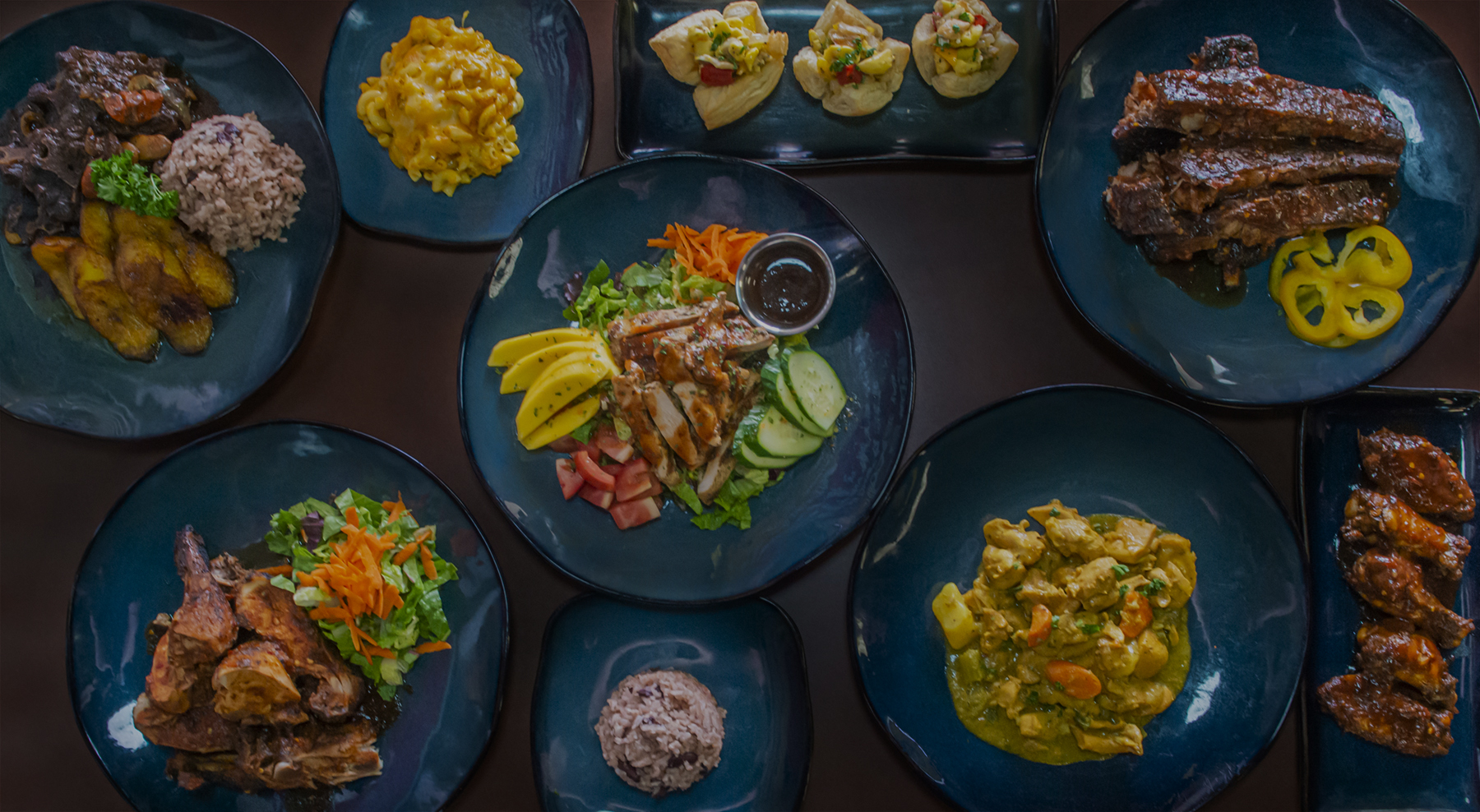
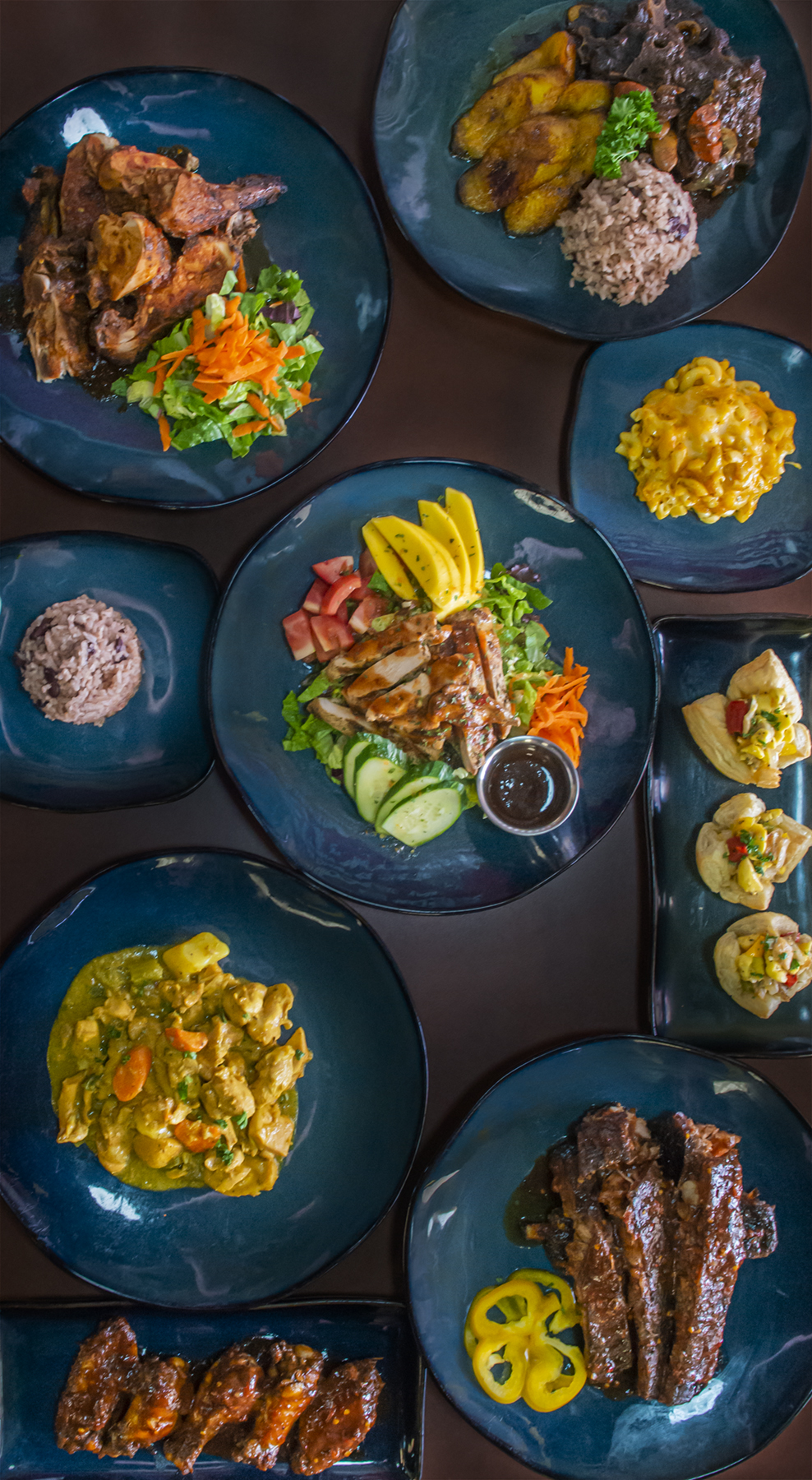
There are cuisines that satisfy hunger, and then there are cuisines that gather people, hold memory, and shape identity. Jamaican food does all three. It arrives at the table with heat, perfume, color, and character, but the deeper pleasure comes from what surrounds it. A pot on the stove means someone planned ahead. A grill smoking in the yard means neighbors will drift closer. A tray of patties on the counter means hands will reach before they are called. Food in Jamaica, and in Jamaican households abroad, often does more than feed a family. It keeps a family legible to itself.
That is part of what makes Jamaican cooking so compelling. Its flavors are bold, but they are rarely careless. Under the fire of Scotch bonnet peppers, the sweetness of browned onions, and the warmth of allspice, there is discipline. Good Jamaican food is layered and patient. The best versions taste as if someone knew exactly when to leave the pot alone and when to stir.
Anyone who has spent time around a Jamaican kitchen understands that recipes only tell part of the story. There is measuring, certainly, but there is also instinct. A grandmother may say “just enough thyme” and mean a handful stripped from a fresh bunch. An uncle tending jerk over pimento wood can tell by smell when the meat has crossed from smoked to scorched. A mother making rice and peas for Sunday dinner can hear from the bubbling pot whether it needs a splash more coconut milk. These are not vague habits. They are forms of expertise built over years.
More than a plate
To talk about Jamaican food only in terms of ingredients would miss its emotional weight. In many families, the food anchors the week and marks the occasion. Sunday dinner is not simply a larger meal. It is a social ritual, often with rice and peas, a braised or roasted main, salad or steamed vegetables, and enough conversation to stretch the afternoon. Christmas brings sorrel, black cake, ham, and dishes that signal celebration through both labor and abundance. Even breakfast can carry that same feeling of seriousness, whether it is ackee and saltfish, callaloo, fried dumplings, or porridge.
For Jamaicans in the diaspora, these dishes often do one more job. They restore a sense of place. A kitchen in Toronto, London, New York, or Miami can smell like Kingston or Montego Bay with the right combination of scallion, thyme, Scotch bonnet, and pimento. That sensory bridge matters more than many people realize. Taste has an unusual ability to collapse time. One spoonful of pepper pot soup, mannish water, or properly seasoned stew peas can summon a childhood house, a family gathering, a market trip, or a holiday memory faster than a photograph can.
The family element is not incidental. Jamaican cooking often asks for participation. Someone washes and seasons the chicken. Someone else peels the yam. A younger cousin is sent to buy more ginger. A child learns to pinch the edges of a patty or to watch the color of plantain in the frying pan. Work circulates, and so does knowledge. That is how cuisines survive, not through nostalgia alone, but through repeated practice in ordinary time.
The flavor logic that makes Jamaican food distinct
A great deal has been written about the heat of Jamaican food, and that focus is understandable but incomplete. Heat is only one dimension. The larger signature is balance. Jamaican cooking regularly combines fire with sweetness, smoke with freshness, and richness with acidity. It leans on herbs and spices not as decoration but as architecture.
Allspice, known locally as pimento, is one of the defining notes. It gives jerk its unmistakable warmth, somewhere between clove, cinnamon, and pepper, but more grounded than any of those. Fresh thyme appears constantly, offering a clean herbal backbone. Scotch bonnet peppers bring fruitiness as well as heat, which is why substituting a generic hot pepper never quite lands the same way. Ginger sharpens. Scallion brightens. Garlic deepens. Coconut milk softens and rounds. Browning sauce adds color and a faint bittersweet edge to stews when used with a careful hand.
Then there is texture, an often overlooked pleasure in Jamaican food. Crisp fried festival beside spicy fish. Tender oxtail against firm broad beans. Flaky patty pastry breaking over a savory filling. Roast breadfruit with its dry, starchy comfort, perfect next to juicy escovitch fish or salt mackerel. These contrasts are not accidents. They are one reason a Jamaican meal can feel so complete.
Acidity plays a crucial role as well. Escovitch vegetables, pickled with vinegar, onions, carrots, and peppers, cut through fried fish beautifully. Fresh lime can sharpen a marinade or finish a dish. Even a chilled glass of sorrel, tart with hibiscus and bright with ginger, has a cleansing effect that suits rich holiday meals.
Jerk, the dish everyone knows, and the one most often misunderstood
If one dish introduced global audiences to Jamaican food, it was jerk. Yet jerk is frequently flattened into a simple idea: spicy grilled meat. That description misses its craft and history. At its best, jerk is a method as much as a flavor profile. The seasoning paste usually combines Scotch bonnet, scallion, thyme, pimento, ginger, garlic, and other spices. The meat, traditionally pork or chicken, is marinated deeply and cooked low and slow over pimento wood or coals, often in a drum pan or pit setup that allows smoke to penetrate gradually.
The result should not taste merely hot. It should taste aromatic, smoky, and alive. The outside develops char and intensity, while the inside stays juicy if the cook knows the fire. That last part matters. Jerk punishes impatience. Too much heat too early, and the sugars in the marinade burn before the meat cooks through. Too little airflow, and the smoke turns acrid. The best jerk cooks learn how to manage temperature with a near-musical sense of timing.
There are trade-offs in modern kitchens. Most home cooks outside Jamaica do not have access to pimento wood, and many are using ovens, stovetops, or gas grills. That does not make the effort pointless. A good marinade, time for seasoning to penetrate, and careful cooking can still produce excellent results. What changes is the final layer of smoke. Some cooks compensate with a small amount of smoked paprika, but this should be done conservatively. Too much takes the dish in another direction.
The quiet brilliance of everyday dishes
Tourists often encounter jerk first, but many of the meals that sustain Jamaican families are less theatrical and just as impressive. Brown stew chicken is a perfect example. Properly done, it is neither bland comfort food nor an over-spiced mess. The chicken is seasoned, often lightly fried or browned, then simmered with onions, peppers, thyme, tomatoes, and a sauce that grows savory and glossy as it cooks. It is practical, deeply satisfying, and made for rice.
Curry goat is another benchmark dish, and it reveals a great deal about Jamaican cooking’s ability to absorb outside influences and make them its own. The curry profile in Jamaica developed through Indian indentured laborers who came to the island in the nineteenth century, but Jamaican curry does not mirror Indian curry exactly. It tends to be warmer, often more turmeric-forward, and frequently includes the local herbal and pepper notes that make it unmistakably Caribbean. Goat, when cooked properly, becomes tender but not mushy. The sauce should cling, not flood.
Stew peas surprises people who expect a light side dish because it is actually a hearty, complex one-pot meal. Red peas, salted meat or beef, coconut milk, herbs, and dough spinners simmer into something rich and deeply comforting. It is the kind of dish that rewards a slow afternoon. So is red pea soup, thickened with ground provisions and often loaded with enough substance to count as dinner.
Ackee and saltfish deserves its own reverence. Jamaica’s national dish is subtle compared with jerk or curry goat, but that is part of its appeal. Ackee, when cooked correctly, is delicate and buttery, with a texture many compare to scrambled eggs though the flavor is milder and more nuanced. Saltfish brings salinity and structure. Tomato, onion, scallion, thyme, and pepper round out the pan. The balance here is fine. Too much saltfish overwhelms the ackee. Too much stirring breaks it up. The cook needs restraint.
A table shaped by history
One reason Jamaican food feels so layered is that it is. The island’s culinary traditions reflect Indigenous knowledge, African heritage, European colonization, Indian and Chinese migration, and local adaptation over centuries. That history is not abstract when it reaches the plate. It appears in the use of ground provisions such as yam, cassava, and sweet potato. It appears in the preserving techniques, the curry dishes, the buns and baked goods, the soups, the rice preparations, and the seasoning habits that define the cuisine.
What is striking is how coherent the food remains despite these many influences. Jamaican cooking has a clear point of view. It values flavor that announces itself. It respects ingredients that can stand up to seasoning. It trusts slow cooking. It uses spice boldly without chasing complexity for its own sake. And it understands that hospitality is part of taste. A meal often feels richer when it is served with insistence: take more gravy, have another dumpling, carry some home.
This is why family celebrations and Jamaican food fit together so naturally. The cuisine is built for gathering. Many signature dishes scale well. A pot of soup can stretch. A tray of jerk chicken can feed a crowd. Rice and peas can support almost anything. Even the act of preparing these dishes invites company, whether in the form of help, commentary, or simple kitchen hovering.
The social life of the side dish
No cuisine this expressive leaves its supporting players undeveloped. In Jamaican cooking, side dishes are often central to the memory of the meal. Rice and peas is an obvious example. Outsiders sometimes assume the dish uses green peas, but in Jamaica it is commonly made with kidney beans or gungo peas, depending on the occasion and season, along with coconut milk, thyme, scallion, and Scotch bonnet for fragrance. A proper pot should be separate but tender, aromatic without being greasy, and rich enough to complement the main dish instead of disappearing under it.
Fried plantain brings sweetness and softness, but timing matters. Underripe plantain can be starchy and flat. Overripe plantain, cooked carelessly, turns limp and oily. The sweet spot is when the slices caramelize at the edges but hold their shape. Festival, lightly sweet fried dough, offers another kind of contrast. With fried fish or jerk meat, it acts almost like a buffer, mellowing spice and adding crunch.
Ground provisions deserve more respect in conversations about Jamaican food. Boiled green banana, yellow yam, coco, cassava, and breadfruit do important work on the plate. They are filling, sturdy, and excellent vehicles for sauces and stews. Roast breadfruit in particular has a subtle nutty depth that pairs beautifully with savory fish dishes. These foods are not glamorous in the modern restaurant sense, but they are foundational, and they tell a truer story about daily eating.
What celebration tastes like
Ask ten Jamaican families what belongs on a celebration table, and you will get overlap mixed with vigorous debate. That is a good sign. Living cuisines do not freeze into one authorized menu. Still, some dishes and drinks reliably signal occasion.
- Sorrel, often steeped with ginger and spices, chilled and sometimes sharpened with a splash of rum during the holidays
- Black cake, dense and richly soaked with wine and spirits, prepared well in advance because time improves it
- Ham or curried goat for major gatherings, depending on the season, budget, and family custom
- Patties and coco bread for easier entertaining, especially when guests come and go throughout the day
- Rice and peas, because a celebration meal without it can feel incomplete in many households
What matters is not rigid adherence to one set of dishes but the spirit of generosity behind them. Celebration food in Jamaican culture often says, without saying it directly, that guests should leave full. The portions tend to be assertive. Leftovers are expected. Containers appear as if by instinct.
There is also a practical intelligence to celebratory cooking. Dishes are chosen not only for prestige but for how they hold up over hours, how they taste reheated, and how well they feed a crowd without losing quality. Curried goat often improves after resting. Rice and peas can be made in serious quantity. Black cake keeps. Sorrel can be prepared ahead. This is the kind of wisdom that grows in kitchens where hosting is both pleasure and labor.
Cooking Jamaican food outside Jamaica
One of the more interesting developments of the past few decades is how Jamaican food has traveled and adapted. In cities with strong Caribbean communities, it has https://hectormhde985.dovetailscope.com/posts/jamaican-food-recipes-that-celebrate-island-flavor found a stable home through takeaways, bakeries, market stalls, and family-run restaurants. Outside those hubs, home cooks often have to improvise. That can work, but only up to a point.
Fresh thyme, scallion, ginger, garlic, onions, and Scotch bonnet are worth finding if you want authentic flavor. Pimento is especially important, and while ground allspice can help in a pinch, whole berries give better control and fragrance in marinades and stews. Coconut milk quality varies widely, and cheap watery versions can flatten rice and peas. Saltfish must be soaked and handled properly. Ackee, if canned, should be treated gently because it breaks apart easily.
Substitutions should be made with judgment rather than anxiety. If a cook cannot find goat, lamb may offer some of the same richness in a curry, though the flavor is distinct. Habanero can stand in for Scotch bonnet when necessary, but the fruitiness differs. Smoked turkey is sometimes used where salted meat is hard to source, though it changes the profile of soups and peas. A smart cook understands which substitutions preserve the spirit of a dish and which transform it into something else entirely.
A few principles make a noticeable difference:
- Season meat early, because Jamaican dishes often depend on flavor penetrating before heat ever touches the pot
- Use fresh herbs generously but intelligently, so they support rather than swamp the main ingredient
- Respect heat levels, especially with Scotch bonnet, whose flavor is valuable even when used whole and left uncut
- Let stews rest when possible, since many taste better after the flavors settle
- Avoid over-sweetening dishes that are meant to be savory, a common mistake with plantain, festival, and some marinades
These are small decisions, but they separate food that gestures toward Jamaica from food that actually carries some of its character.
Restaurants, home kitchens, and the question of authenticity
Authenticity can become a tedious word when used carelessly, but it still has value if handled with precision. Jamaican food in restaurants will always differ from Jamaican food at home, just as holiday cooking differs from weekday cooking. A restaurant may turn out excellent jerk chicken that does not taste exactly like what a family makes in a yard over a holiday weekend. That difference is not automatically a flaw.
The better question is whether the food understands itself. Does the seasoning feel grounded in Jamaican flavor logic? Is the texture right? Is the balance of heat, herb, smoke, sweetness, and salt coherent? Does the curry taste like something built from experience, or like generic curry powder and haste? Does the patty pastry shatter lightly, or sit heavy and bland? These are more useful standards than romantic ideas about one perfect original version.
At home, authenticity often looks even less tidy. Families develop their own signatures. One household may prefer browning sauce in stewed dishes, another may use very little. Some cooks go harder on black pepper, others on thyme. One auntie’s sorrel may be fiercely gingery, while another’s is softer and sweeter. Variation is not the enemy of tradition. It is often how tradition stays alive.
Why Jamaican food keeps its hold
Part of the answer is obvious: it tastes good, often memorably so. But flavor alone does not explain the emotional loyalty Jamaican food inspires. Plenty of cuisines are delicious. Jamaican food has the added power of presence. It announces care. Someone cleaned the fish. Someone soaked the peas. Someone stood by the pot. Someone tasted, adjusted, waited, and served.
That is why the cuisine remains so closely tied to family. A Jamaican meal often carries the labor of more than one person and the memory of many more. It teaches children what home smells like. It turns ordinary Sundays into points of reference. It gives the diaspora a practical way to keep identity active rather than symbolic. You do not have to speak at length about heritage when the kitchen already does it.
There is also a confidence to Jamaican food that people respond to. It does not apologize for spice or ask permission to season boldly. It trusts sourness, smoke, salt, sweetness, starch, and fat to coexist. It values comfort without becoming dull. It can move from a beachside foil packet of roast fish to a formal holiday table without losing itself. Few cuisines handle that range so naturally.
Family celebrations reveal this especially well. Put a platter of fried fish, a pot of rice and peas, a pan of jerk chicken, ripe plantain, and cold sorrel in the center of a table, and something happens that goes beyond menu planning. Conversation loosens. Stories return. Arguments about who makes the best curry goat become part of the entertainment. Children who said they were not hungry suddenly negotiate for the crispiest piece. Elders observe, correct, and approve in equal measure.
That is the real celebration at the heart of Jamaican food. Yes, it is about flavor, and glorious flavor at that. But it is also about continuity, generosity, and the kind of belonging that can be tasted. A dish passes from hand to hand, and with it goes memory, pride, judgment, and affection. The meal ends, but the meaning tends to linger much longer than the plates do.
Reggae Pot Jamaican Grill
7562 S University Blvd C, Centennial, CO 80122
(303) 997-5623
FAQ About jamaican food
What is the best Jamaican food to try in Centennial?
The best choice depends on your preferences. Reggae Pot Jamaican Grill offers jerk chicken, curry goat, oxtail, and escovitch snapper, along with sides such as rice and peas and fried plantains. Ask the restaurant about current availability and spice levels before ordering.
Is Jamaican food very spicy in Centennial?
Heat varies by dish and preparation. Jerk dishes can be hot, while some stews and sides are milder. Tell the restaurant your preferred heat level and ask which options suit you.
What is typically on a Jamaican menu?
Common choices include jerk chicken, curries, oxtail, fish, patties, rice and peas, and plantains. Reggae Pot also lists ackee and saltfish and vegetable dishes. Menus and availability can change, so confirm your choices when ordering.
Ends · LOUISUCJA063