Jamaican Food Favorites for Spice Lovers
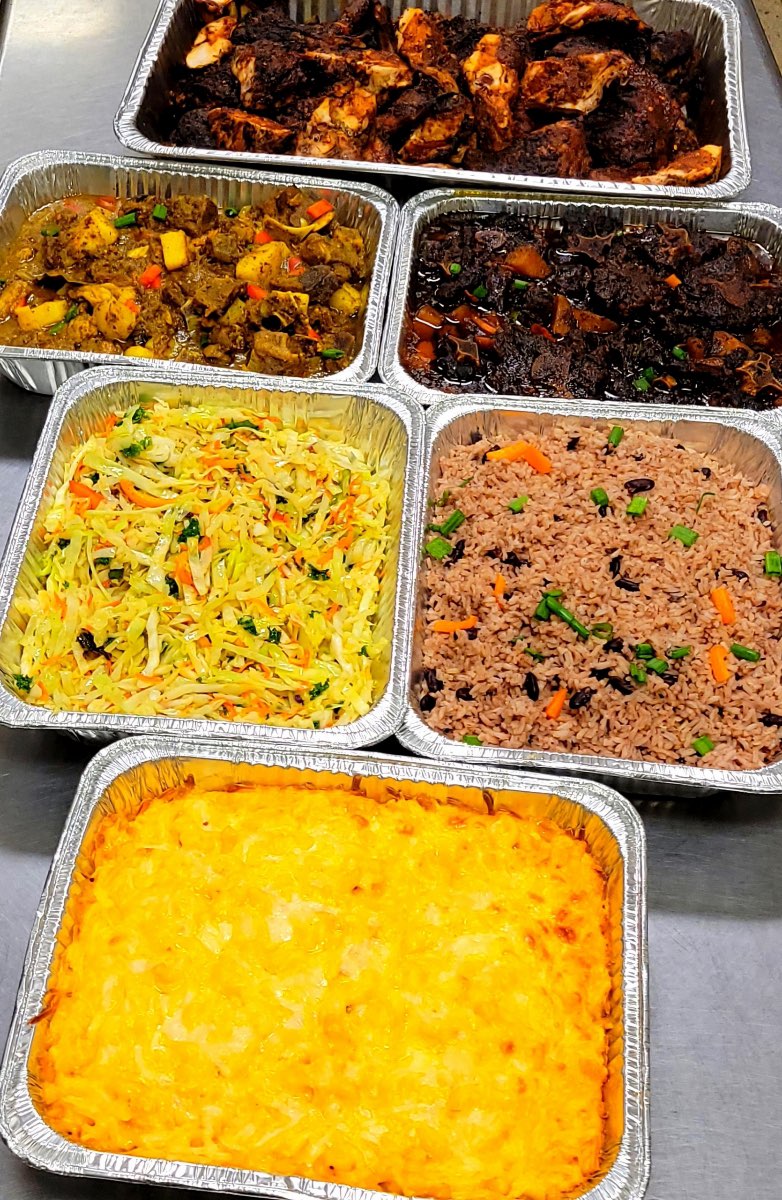

Anyone who loves heat eventually finds their way to Jamaican food. Not because every dish is aggressively hot, which is a common misconception, but because Jamaican cooking understands something many cuisines only flirt with: spice should do more than burn. It should wake up the nose before the fork lands, deepen sweetness, sharpen smoke, cut through fat, and linger just long enough to make the next bite irresistible.
That balance is why the best spicy Jamaican dishes feel so satisfying. The fire is rarely random. Scotch bonnet pepper, the backbone of heat in many classic preparations, brings a bright, fruity intensity that tastes almost tropical before it turns fierce. Used well, it works with thyme, scallion, allspice, ginger, garlic, pimento wood smoke, and slow-cooked onions to create flavor that feels layered rather than punishing.
For anyone drawn to food with character and real heat, Jamaican food offers a long, memorable lineup. Some dishes come in loud and smoky. Others begin sweet or savory and finish with a steady glow. A few can surprise even seasoned chile lovers, especially when the cook has a generous hand with fresh pepper sauce. The pleasure is in learning the range.
What makes Jamaican spice different
A lot of spicy food cultures lean on dried chiles, fermented pastes, or oil-based heat. Jamaican cooking often centers fresh aromatics. Scotch bonnet is the star, but it is rarely left alone. It is paired with herbs, citrus, allspice, onions, and sometimes brown sugar, which means the heat expands rather than spikes. You taste brightness, fruit, and perfume before the capsaicin catches up.
That difference matters on the plate. A jerk marinade, for example, is not simply hot. It is woody from allspice, green from thyme and scallion, sharp with ginger, and often slightly sweet. When grilled over charcoal or pimento wood, those flavors fuse into something deeper than any one ingredient. The heat sits inside smoke and spice instead of floating on top.
This is also why people sometimes underestimate Jamaican dishes. A curry may look mellow. An escovitch sauce may seem vinegar-forward. A bowl of mannish water may read like a rustic broth. Then the Scotch bonnet comes through, and the dish suddenly announces itself. That delayed arrival is part of the charm.
Jerk chicken, the dish most spice lovers start with
If there is one plate that has introduced more people to spicy Jamaican food than any other, it is jerk chicken. At its best, it captures nearly every note that makes the cuisine compelling: chile heat, aromatic sweetness, deep smoke, herbaceous freshness, and charred edges that beg to be picked clean with your fingers.
Good jerk chicken should not taste like generic barbecue with extra pepper. It needs the unmistakable depth of allspice, enough thyme to stay fragrant, and enough Scotch bonnet to feel alive. The texture matters too. The skin should blister and darken, the meat should stay juicy, and the marinade should penetrate beyond the surface. When it is cooked over open flame, the fat drips, flares, and creates little bitter-sweet sparks of flavor that no oven can fully mimic.
The hottest versions are often found at roadside jerk pans and small takeout spots where the cook has no reason to dilute the seasoning for cautious diners. In those places, the smoke clings to your clothes, the chicken is chopped to order with a cleaver, and the side of festival or bammy provides a welcome contrast without stealing attention from the main event. A little extra pepper sauce on top can push it from pleasantly fiery to memorable.
People often ask whether jerk pork is hotter than jerk chicken. It can be, though not always. Pork carries smoke beautifully and stands up to more aggressive seasoning, so cooks sometimes lean harder into pepper and allspice. For spice lovers, both are worth ordering whenever possible, but chicken remains the benchmark because it reveals balance so clearly. If the heat is off, or the seasoning is shallow, you notice immediately.
Jerk pork, deeper, richer, and often bolder
Where jerk chicken is bright and widely loved, jerk pork tends to be the choice of serious devotees. The fat in the pork catches smoke differently and gives the seasoning more room to spread out. You get heat, yes, but also a richness that makes the Scotch bonnet feel rounder and more persistent.
A well-made jerk pork shoulder or chopped jerk pork plate often has crusty exterior bits that carry concentrated spice, while the interior stays tender and almost silky. That contrast is one of the pleasures of the dish. Each bite can shift from char and fire to succulence and sweetness. Add a spoonful of peppery pickle or a dab of homemade hot sauce, and the whole thing opens up again.
This is also one of those dishes where quality varies dramatically. Some versions rely too heavily on bottled seasoning and miss the freshness that real jerk needs. Others are over-smoked to the point of bitterness. The best versions show restraint. They let the pork taste like pork while still delivering enough heat to satisfy anyone chasing serious spice.
Curry goat, where heat moves more slowly
Spice lovers sometimes overlook curry goat because it is not always the hottest dish on the table. That is a mistake. Curry goat often delivers one of the most satisfying forms of heat in Jamaican cooking, a slow build rather than a sharp punch. The Scotch bonnet simmers into the gravy, the spices settle into the meat, and the warmth spreads through the dish with each mouthful.
Jamaican curry is distinct from Indian curry traditions, though there are clear historical connections. It often leans earthy and savory, with turmeric, coriander, cumin, pimento, garlic, and fresh herbs supporting the pepper. Goat, with its assertive flavor and slight gaminess, absorbs those elements beautifully. When cooked properly, the meat softens without falling apart into mush, and the sauce clings to rice and peas in a way that makes every forkful count.
For spice lovers, curry goat is a lesson in patience. The first bite may seem gentler than jerk. By the fourth or fifth, the warmth has settled on your lips and tongue, and the aromatic complexity becomes almost addictive. It is also one of the best dishes for seeing how Jamaican food uses heat as structure rather than spectacle. The spice does not dominate the meat. It gives it shape.
I have found that restaurants serving curry goat often have their own quiet hierarchy of heat. The base dish may be moderate, designed for broad appeal, while the real fire lives in the house pepper sauce kept near the counter. A spoonful stirred into the gravy can transform the plate without breaking its balance.
Curried chicken, underrated when done properly
Curried chicken can be unfairly treated as the safer cousin of curry goat, but a good version earns its place on any spice lover’s table. Because chicken cooks faster and carries spice differently, the flavor can feel brighter and more direct. The gravy is usually lighter, the aromatics more obvious, and the pepper easier to detect right away.
What separates average from excellent is the treatment of the curry powder and the pepper. Cooks who “burn” or bloom the curry in oil before adding meat create a deeper foundation. Those who add fresh Scotch bonnet with confidence bring the dish to life. Potatoes, if included, should absorb gravy and add body, not bulk the plate out. The chicken should remain moist, especially dark meat, which stands up better to long simmering and bold seasoning.
For diners who want heat but not the heavier richness of goat or pork, curried chicken is often the smart order. It also pairs exceptionally well with sides that cool and cushion the spice.
Escovitch fish, sharp, fiery, and vivid
Escovitch fish is one of the clearest examples of Jamaican cooking using heat in a precise, almost surgical way. Typically made with fried whole fish, often snapper or a similarly firm fish, it is topped with a hot vinegar-based dressing of onions, carrots, bell peppers, and Scotch bonnet. The result is bright, acidic, and surprisingly intense.
This is not the smoky warmth of jerk or the slow comfort of curry. Escovitch cuts straight through with crisp edges, tangy bite, and flashes of chile. The fried fish gives the dish heft, while the pickled vegetables keep pulling it upward. For spice lovers who appreciate acid as much as heat, it can be one of the most exciting dishes in Jamaican food.
The timing matters. Freshly dressed escovitch has a sharper, more aggressive character. Let it sit a little longer, and the vegetables soften, the vinegar penetrates, and the pepper spreads out. Both versions have their appeal. The first feels lively and restless. The second feels more integrated, with heat woven into every element.
A useful note for diners who enjoy high spice but not surprises: escovitch pepper can be unevenly distributed. One bite may seem mild, and the next, especially if it includes a piece of Scotch bonnet, can be dramatically hotter. That unpredictability is part of the dish’s appeal, but it is worth knowing.
Pepper shrimp, all thrill, no compromise
If your definition of a favorite is the dish most likely to make your scalp tingle, pepper shrimp deserves immediate attention. Popular in parts of Jamaica as a roadside or market snack, these small shrimp are often steamed or cooked with a seasoned brine heavy on Scotch bonnet, thyme, garlic, and salt. The shrimp absorb that liquid quickly, and the heat comes fast.
There is little cushioning here. No rice, no rich sauce, no sweet glaze. Just briny shrimp and direct pepper. The best batches are juicy, intensely seasoned, and impossible to stop eating even when your mouth is telling you to slow down. They are one of the purest expressions of Jamaican spice culture because they strip things back to essentials and trust the pepper.
This is also where tolerance becomes personal. Some people who happily finish a full jerk platter get caught off guard by pepper shrimp because the heat feels less buffered. If you enjoy spicy food as a test, this is one of the more honest tests available. If you enjoy spicy food for flavor first, it still works, provided the shrimp are fresh and the seasoning balanced.
Mannish water and spicy soups that sneak up on you
Many people approach Jamaican soups expecting comfort, not heat. Then a bowl of mannish water or pepper pot arrives, and the Scotch bonnet announces itself in stages. That delayed burn is one reason these dishes are so compelling. The broth may taste meaty, herbal, and restorative at first. A few spoonfuls later, the pepper starts to bloom.
Mannish water, traditionally made with goat parts and plenty of herbs and seasonings, can vary widely depending on the cook. Some versions are rustic and fiery, built for celebrations and early-morning revival after a long night. Others are more restrained. Either way, the combination of broth, green seasonings, and chile creates a warmth that feels penetrating rather than flashy.
Jamaican soups often use provisions such as yam, dumplings, banana, or pumpkin, which add body and soften the edges of the spice. That interplay makes them particularly satisfying for colder weather or for anyone who likes heat anchored in something substantial. They are not always the first dishes tourists order, but experienced eaters often return to them.
Brown stew chicken with pepper, a quieter pleasure
Brown stew chicken does not always appear on “must-try spicy dishes” lists, yet it can be a superb choice for someone who values depth over brute force. The browning sauce, onions, thyme, scallion, peppers, and slow-simmered gravy create a savory sweetness that takes Scotch bonnet well. When the cook includes enough pepper, the dish develops a rounded heat that feels woven into the sauce rather than laid on top.
What makes it appealing is its everyday quality. This is the kind of dish that many households know intimately, and when it is made by someone with a practiced hand, the result can outshine more famous plates. The chicken should be tender, the gravy glossy, and the pepper present but measured. It is not a stunt dish. It is the sort of meal that reminds you Jamaican food is not only about maximum heat. It is about https://brooksxclr357.sagecurrent.com/posts/a-guide-to-everyday-jamaican-food-and-special-meals seasoning judgment.
The sauces and sides that control the experience
One reason spice lovers enjoy Jamaican food so much is that the meal often comes with built-in ways to adjust intensity. A plate may arrive already well seasoned, but condiments and sides let you steer.
The most important variable is the house pepper sauce. In many kitchens, this is where the cook’s personality really shows. Some sauces are raw and vinegary, others fruity and fermented, others almost deceptively thin until they hit the tongue. A teaspoon can change the entire meal. Serious spice lovers learn quickly to ask what is in the bottle before pouring freely.
Sides also matter more than people think. Rice and peas, with its coconut richness and soft texture, is not just filler. It tempers heat and carries gravy beautifully. Festival brings sweetness that offsets smoke and pepper. Fried plantain cools the palate for a moment, then lets the next bite of jerk taste vivid again. Bammy offers a gentle, cassava-based neutrality that pairs especially well with fish and escovitch.
When the plate is balanced, these elements do not dilute the spice experience. They sharpen it by creating contrast.
How to order if you truly want heat
If you have a high tolerance and want the best chance of getting a dish at full strength, it helps to know how Jamaican restaurants often calibrate their food. Many establishments, especially outside Jamaica, moderate spice levels for a broader audience. That does not mean the kitchen cannot bring the heat. It means you may need to ask clearly and respectfully.
A few practical moves make a difference:
- Ask whether the heat is cooked into the dish or added mostly through sauce.
- Request pepper sauce on the side first, then add gradually.
- If ordering jerk, ask whether they have a spicier batch or extra jerk seasoning.
- For escovitch or curry, ask if fresh Scotch bonnet can be added.
- If you are unsure of a restaurant’s style, start with one spicy main rather than making every item hot.
That approach sounds cautious, but it is actually the best route to a better meal. I have seen diners flood an already hot curry with pepper sauce, flatten the flavor, and then claim the dish was one-note. Heat tolerance is useful. Restraint is what lets you appreciate the cooking.
Regional style, home cooking, and restaurant reality
It is worth saying plainly that there is no single, fixed heat standard across all Jamaican cooking. Family recipes vary. Regional habits vary. Street food vendors may season more aggressively than sit-down restaurants. Diaspora kitchens often adapt to local expectations, ingredient availability, or food cost pressures.
That variation is not a flaw. It is part of what makes the cuisine interesting. One cook’s jerk marinade might lean heavily on thyme and scallion, another’s on allspice and smoke. One curry goat may be deep yellow and earthy, another darker and hotter. A pepper sauce made in-house with ripe Scotch bonnet can taste entirely different from one made with vinegar and a narrower range of aromatics.
For spice lovers, this means the search stays rewarding. You are not hunting a single official version. You are tasting how different cooks interpret the same grammar of heat.
Building a full meal around spice
The most satisfying way to eat spicy Jamaican food is not always to choose the hottest possible dish and stop there. A stronger meal often comes from combining different forms of heat. Jerk for smoke and char, escovitch for sharp acid, curry for warmth that spreads slowly. A drink and side dish can then round out the experience.
A cold ginger beer, sorrel, or even plain water can reset the palate between bites, though dairy is less common in the cuisine and not usually necessary. The real reset often comes from starch and sweetness: rice and peas, festival, fried plantain. Those components let the pepper stay pleasurable over the course of the meal instead of turning into fatigue.
There is also a pacing element many people ignore. Spicy Jamaican food rewards eating a little more slowly than fast food habits encourage. The flavors unfold in waves. The smoke hits first, then the herbs, then the fruitiness of Scotch bonnet, then the burn. If you rush, you mainly register heat. If you slow down, you taste composition.
Why spice lovers keep coming back
Plenty of cuisines can make you sweat. Fewer can make you sweat while also delivering sweetness, smoke, acidity, herbaceous lift, and deep savoriness in the same bite. That is where Jamaican food stands apart. It treats heat as part of a complete seasoning philosophy, not as a dare or gimmick.
The dishes that stay with people are usually the ones where that philosophy is clearest: jerk chicken with charred skin and fragrant fire, jerk pork with rich smoky depth, curry goat with a slow-building glow, escovitch fish with bright vinegar and sudden chile, pepper shrimp that refuse compromise. Even the less obvious spicy favorites, from mannish water to brown stew chicken, reveal how versatile Jamaican heat can be.
For anyone serious about spice, the appeal goes beyond tolerance. It is about range. You can chase direct burn, layered warmth, pepper sharpened by acid, or smoke that carries heat into the corners of the palate. Jamaican food offers all of that, often in a single meal, and does it with a confidence that feels earned rather than showy.
That is why the cuisine keeps its place on the short list for chile lovers. It does not just bring fire. It brings judgment, balance, and flavor strong enough to stand alongside the heat.
Reggae Pot Jamaican Grill
7562 S University Blvd C, Centennial, CO 80122
(303) 997-5623
FAQ About jamaican food
What is the best Jamaican food to try in Centennial?
The best choice depends on your preferences. Reggae Pot Jamaican Grill offers jerk chicken, curry goat, oxtail, and escovitch snapper, along with sides such as rice and peas and fried plantains. Ask the restaurant about current availability and spice levels before ordering.
Is Jamaican food very spicy in Centennial?
Heat varies by dish and preparation. Jerk dishes can be hot, while some stews and sides are milder. Tell the restaurant your preferred heat level and ask which options suit you.
What is typically on a Jamaican menu?
Common choices include jerk chicken, curries, oxtail, fish, patties, rice and peas, and plantains. Reggae Pot also lists ackee and saltfish and vegetable dishes. Menus and availability can change, so confirm your choices when ordering.
Ends · LOUISUCJA063